
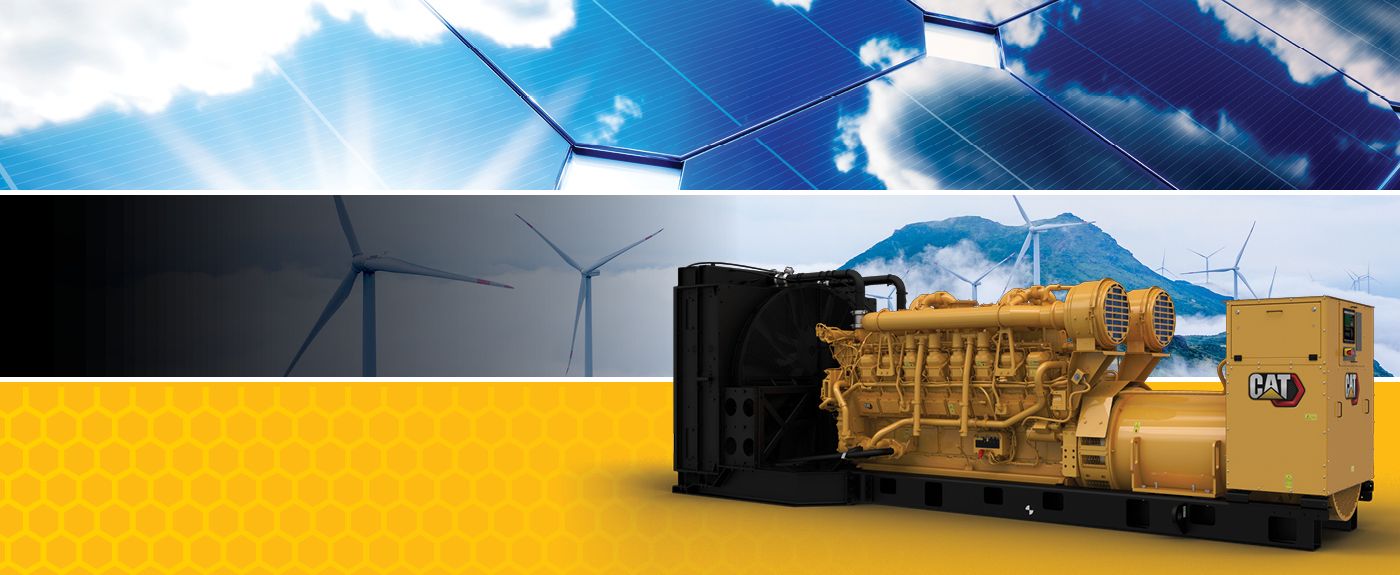
Perspectives on the Energy Transition from Caterpillar
At Caterpillar, we always strive to help our customers achieve their goals. That includes giving them expert guidance and the latest tools and strategies to lower emissions and meet their Environmental, Social and Governance (ESG) goals. Sustainability isn’t only integrated into what we do every single day, it’s part of who we are.
From remanufacturing options to microgrids and combined heat and power (CHP) systems to energy storage, we have a comprehensive and diverse array of products and services which can be integrated to create an optimal energy solution tailored to meet your exact needs. No matter where you are on the journey to a lower-carbon future, we have a customizable plan to propel you forward.
To showcase our commitment to helping customers move through the energy transition, we developed this blog featuring the latest information on technologies supporting the move from traditional fuels and sources of energy to the decarbonization and electrification of the future.
Latest Articles
-
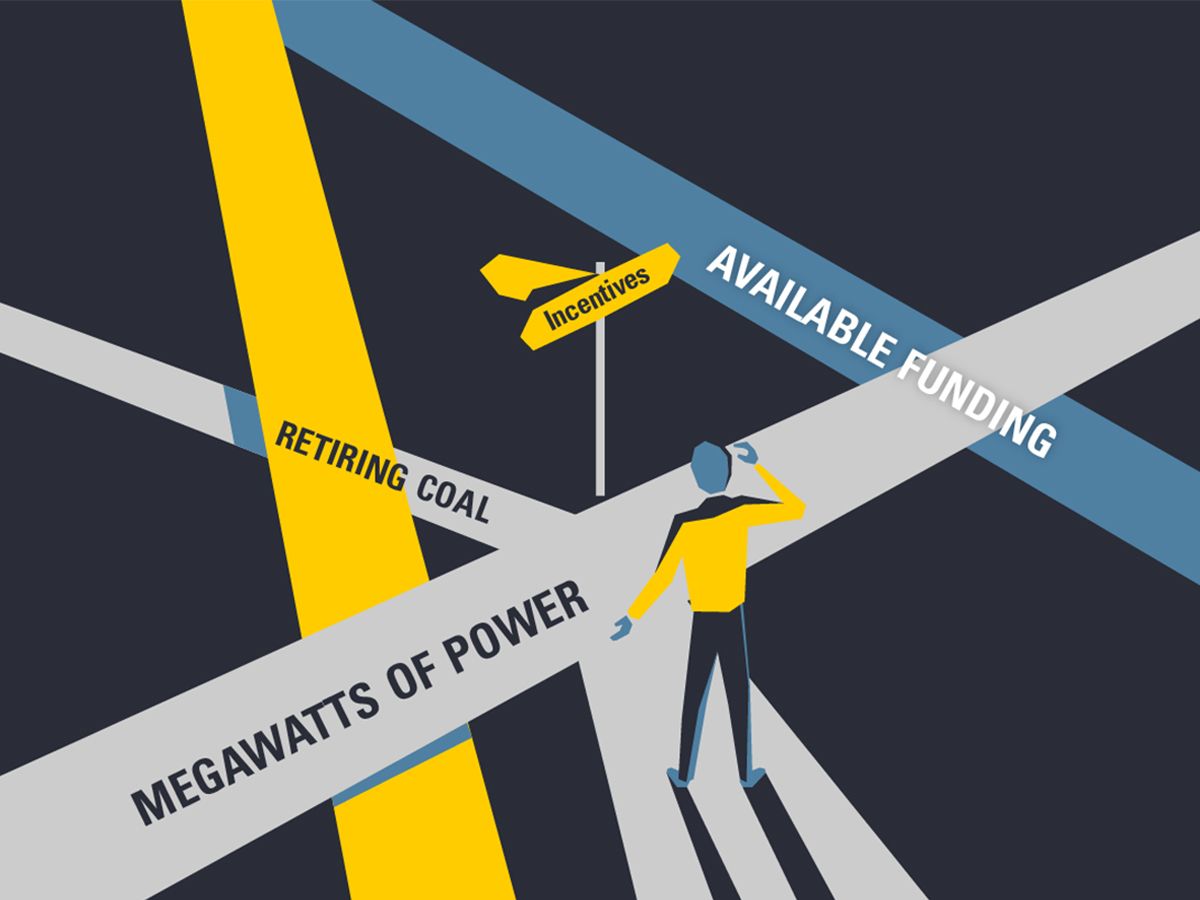
Funding The Electricity Gap
In March 2024, Mark Christie, commissioner of the Federal Energy Regulatory Commission (FERC), issued a dire warning about grid reliability. Here’s what he had to say about the rapid retirement of coal-fired power plants — and the much slower pace of bringing alternatives online:
Learn More -
Five Times It Pays to “Try Before You Buy” with Rental Power
Does the phrase “rental power” conjure up visions of electrical outages, severe weather events or unexpected breakdowns? A lot of organizations view rental primarily as an emergency solution, and for good reason. Immediate availability allows you to fill gaps and keep critical operations running with minimal or no interruption.
Learn More -
How Municipal Utilities Can Address Surging Power Demand
For many municipal utility managers I talk to, it’s getting tougher to continue providing the highest levels of reliability, service, and value. Customer preferences are changing. Some want 100% renewable power overnight; others simply care about cost. Other challenges are mounting, too: New technologies. Increased regulation. Workforce shortages. Budget constraints. And perhaps biggest of all, rising demand.
Learn More -
Act Now to Leverage CHP Tax Credits Up to 50%
The Inflation Reduction Act (IRA), signed into law in August 2022, provides nearly $400 billion in tax credits and incentives over a decade to promote climate change mitigation and stimulate clean energy development in the U.S. It’s the largest single investment in climate and energy in American history — and it includes the highest incentives ever provided by the federal government for combined heat and power (CHP) projects.
Learn More -
5 Steps to Sign-Off on a New Energy Solution
You’re a large energy consumer, maybe in healthcare, education, distribution or transportation. You’re facing pressure — internal, external or both — to increase your energy resiliency, lower your carbon emissions, reduce your energy costs, add capacity for expansion, or some combination of all four. You know you need to act (and soon), but you’re struggling with how to get started implementing a solution.
Learn More -
Is Your Organization a Good Fit for EaaS? And Is Your EaaS Partner a Good Fit for You?
Our EaaS team at Caterpillar has implemented solutions for all types of operations: from K-12 schools and grocery stores to industrial facilities. The concept — you purchase energy outcomes and turn ownership and upkeep of energy assets over to a third party — works for many organizations. How do you know if yours is one of them?
Learn More -
Demystifying the EaaS Model: Don’t Buy Power Products. Buy Energy Outcomes.
Software as a Service, or SaaS. Today, most applications — everything from Microsoft Office to Google Drive to Salesforce — are hosted by a third-party provider and made available via the web or a mobile app. You don’t need to install or configure anything on your computer, and the SaaS provider handles all maintenance, upgrades, and licensing. It’s more convenient for users and more affordable for businesses.
Learn More -
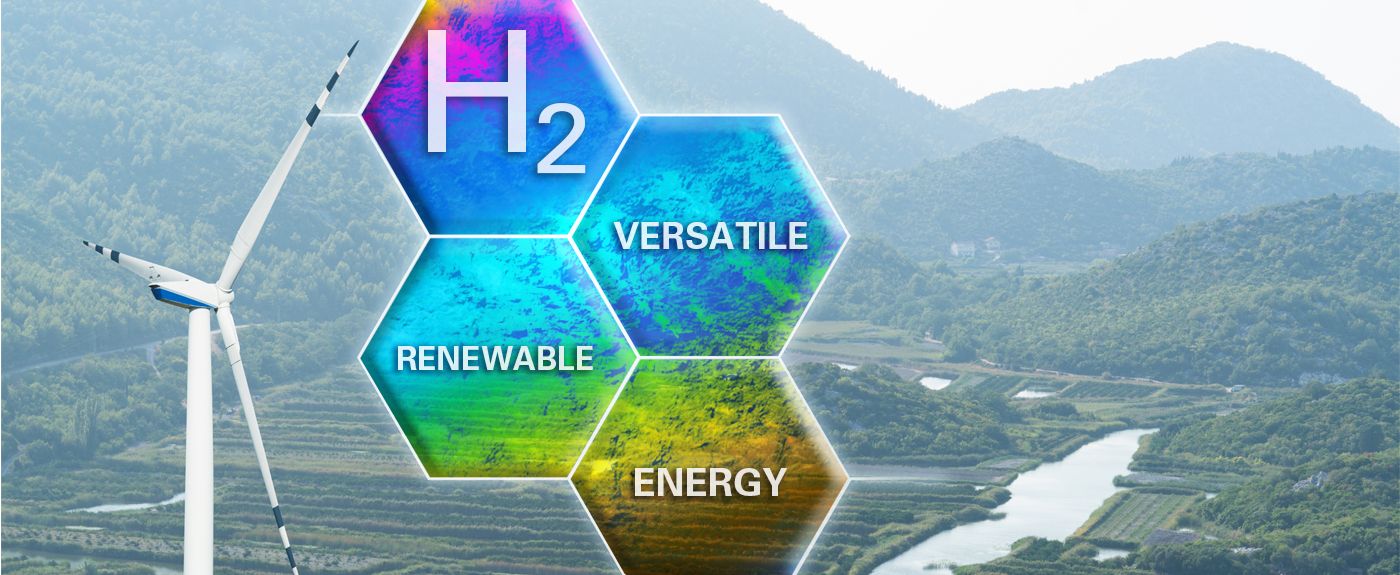
Hydrogen’s True Colors: A Key to Defining Carbon Intensity
Often referred to as a “clean-burning” fuel, hydrogen is the most abundant chemical substance in the universe because its combustion generates near-zero greenhouse gas emissions at the tailpipe. . It’s also colorless, odorless and burns with a near-invisible flame. So why does nearly every Google search or news story about hydrogen turn up terms like “green,” “blue” and even “pink”?
Learn More





Get the latest stories sent directly to your inbox.
Your Business
 North America – English
Caterpillar Brands
- Caterpillar.com
- My Marketing Preferences
- Site Map
- Cookie Settings
- Legal
- Privacy
- Do Not Sell or Share My Personal Information
- Accessibility Statement
- US-English
- © 2026 Caterpillar. All Rights Reserved.