
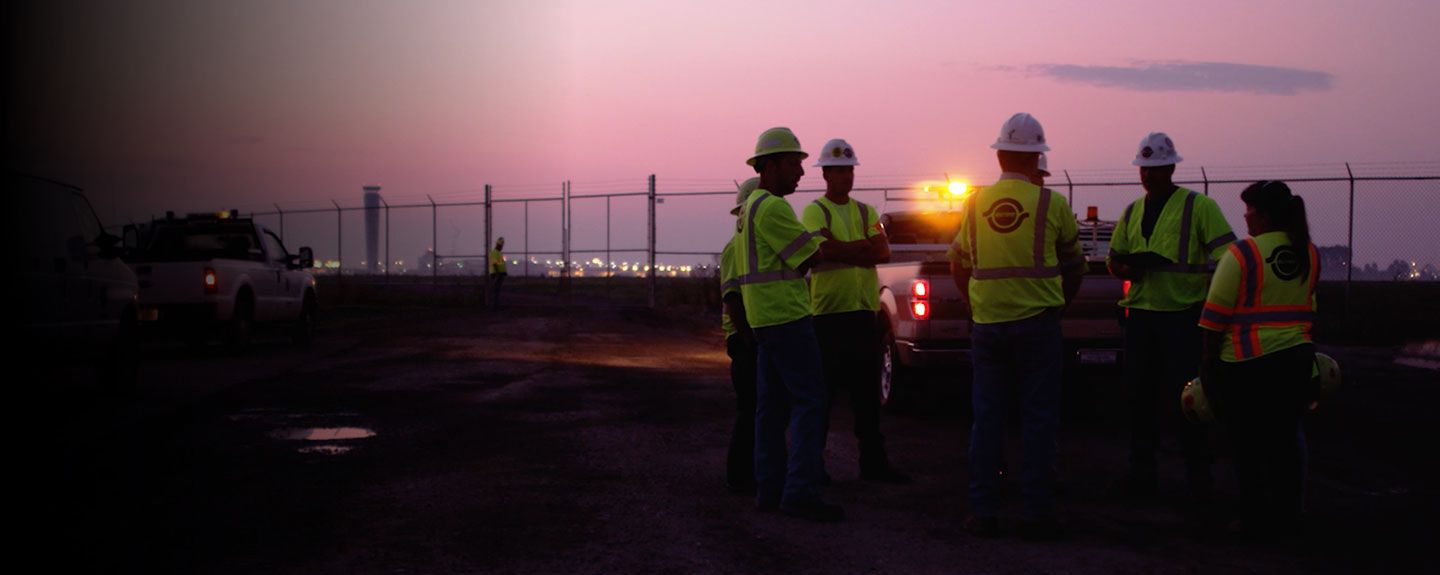
What is a safety culture?
A true safety culture is where safety practices are embedded across an organization, where safety is approached pro-actively and all team members accept ownership of safety. It goes beyond safety fundamentals, where safety responsibility is assigned to specific individuals, to a culture where safety behaviors are demonstrated by every employee across the entire organization. A safety culture takes some time to develop and embed, but organizations who succeed are rewarded with improved engagement, reduction in incident rates, and increased productivity.
What does an organization with a strong safety culture look like?
Safety roles and responsibilities are assigned across the organization, with employees at all levels taking ownership of safety.
- Management is visibly committed to initiatives.
- All employees are empowered to contribute to the safety conversation and speak openly about observed risks.
- A long-term safety strategy is in place, with representation and accountability at all levels.
- The Safety Department is viewed as a valuable resource, not the sole owner of safety, since responsibility for safety is shared across the organization.
- Safety culture or leadership data is analyzed to determine trends and support strategic decision-making.
Four ways to know if you have a true safety culture
| ALL EMPLOYEES ENGAGED | The conversation around safety is a positive part of everyday work. |
| EMBEDDED ACCOUNTABILITIES | Safety is owned at every level and everyone understands what they are accountable for - from the leadership to the front line. |
| ORGANIZATIONAL ADOPTION | Best-practice safety processes are adopted at all stages of production, and a system of continual improvement. |
| LEADER COMMUNICATION | Safety is a key part of the business conversation, embedded into company-wide communications. |
Safety Culture: Products and Services


Your Business
 North America – English
Caterpillar Brands
- Caterpillar.com
- My Marketing Preferences
- Site Map
- Cookie Settings
- Legal
- Privacy
- Do Not Sell or Share My Personal Information
- Accessibility Statement
- US-English
- © 2026 Caterpillar. All Rights Reserved.